Data centers in the Gulf countries face not just high loads, but a whole range of aggressive factors: scorching heat, humidity below 80%, salt aerosols on the coast and constant dust. All this forces engineers to look for solutions that simultaneously protect cable systems and ensure uninterrupted cooling operation. Mistakes in the design or selection of materials become fatal: equipment fails, corrosion destroys cables, and condensation leads to short circuits.
Dew Point and Condensation
Few people in everyday practice think about the fact that the dew point in server rooms plays the same role as the temperature of the processor in the cooling system. As soon as the surface drops to 14 °C, moisture instantly turns into droplets. These drops appear even when the relative humidity is below the usual 60%. The result is known: short circuits, contact corrosion, equipment failure. In a number of large facilities, such disregard resulted in massive UPS failures, which led to sudden shutdowns of entire rows of servers. To prevent this, modern CDUs (coolant distribution unit) always maintain the temperature of the liquid at least 2 °C above the dew point.
Liquid Cooling Architectures
The usual airflow can no longer cope with thermal stress. There are three key solutions in use today. The first is direct-to-chip: cold liquid passes through plates mounted on the CPU and GPU. The second is immersion cooling, where servers are immersed in a dielectric liquid and the heat goes out directly. The third is chilled water systems with cold water supply via CDU. The CDU acts as the heart of the entire system here: it regulates pressure, monitors flow, and controls the temperature in the loop between the TCS (thermal control system) and the FWS (facility water system). The scale is astounding: from 60–80 kW in racks to 1 MW or more in hyperscale centers.
Liquid and Corrosion Control
The liquid must move through pipelines with precise parameters. ASHRAE TC 9.6 indicates: speeds above 2.1 m/s for pipes over 3 inches will lead to erosion. Mixtures with 25% propylene glycol and deionized water are chosen as protection. This is the optimal compromise: corrosion protection without unnecessary costs. The maximum leakage in the connection is no more than 1 cubic cm per server, otherwise the risk is unacceptable.
Leaks and Sensor Systems
The main enemy of liquid cooling is leaks. Liquid near electronics means danger: corrosion, short circuits, fire. Therefore, sensor cables and monitoring systems are being implemented in data centers. They trap glycolic solutions, dielectric liquids, and even refrigerants. In immersion or direct-to-chip solutions, sensors are placed at the level of server racks, pumps, and heat exchangers. Quick localization allows you to disable a separate circuit, while preserving the work of the others.
Cable Trays and Materials
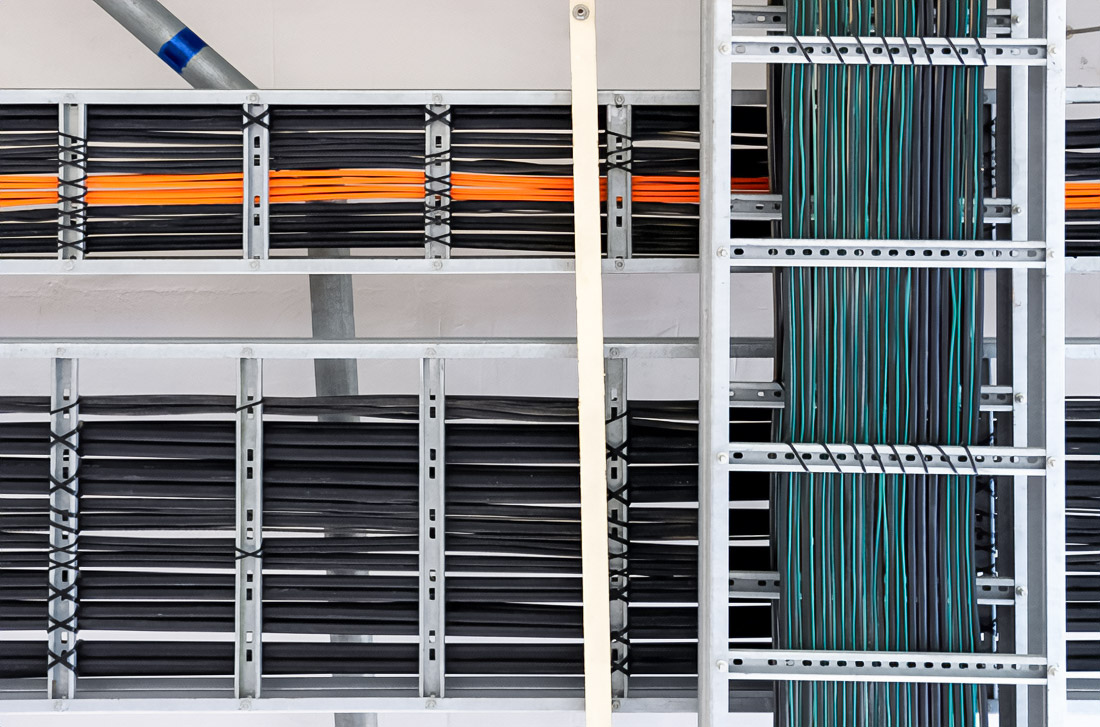
Cable runs play a role no less than cooling. There are four types:
- Ladder trays — carry heavy cables, provide ventilation.
- Perforated — a balance between support and cooling.
- Solid — protects sensitive lines from EMI and dust.
- Mesh — ideal for data centers where ventilation directly affects energy efficiency.
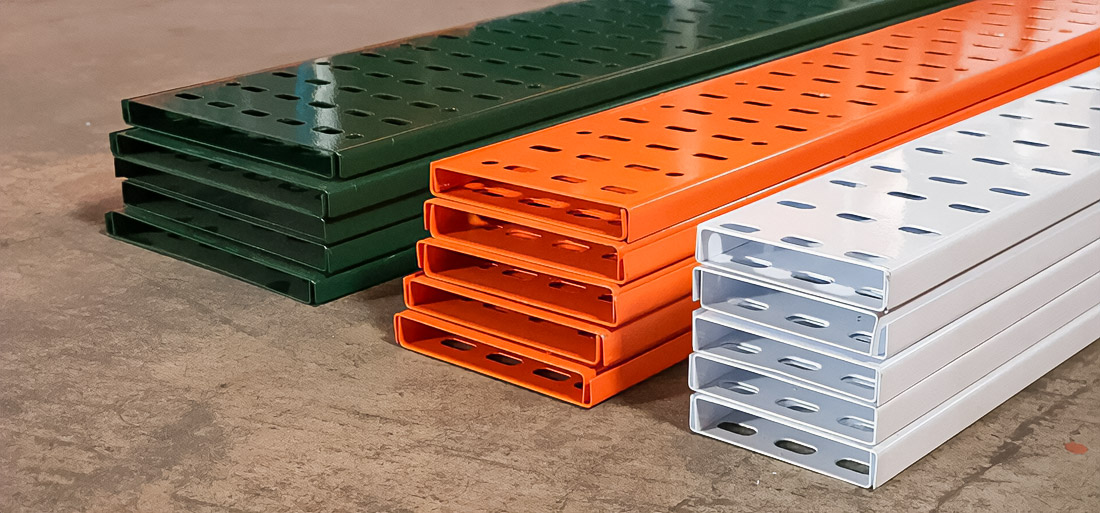
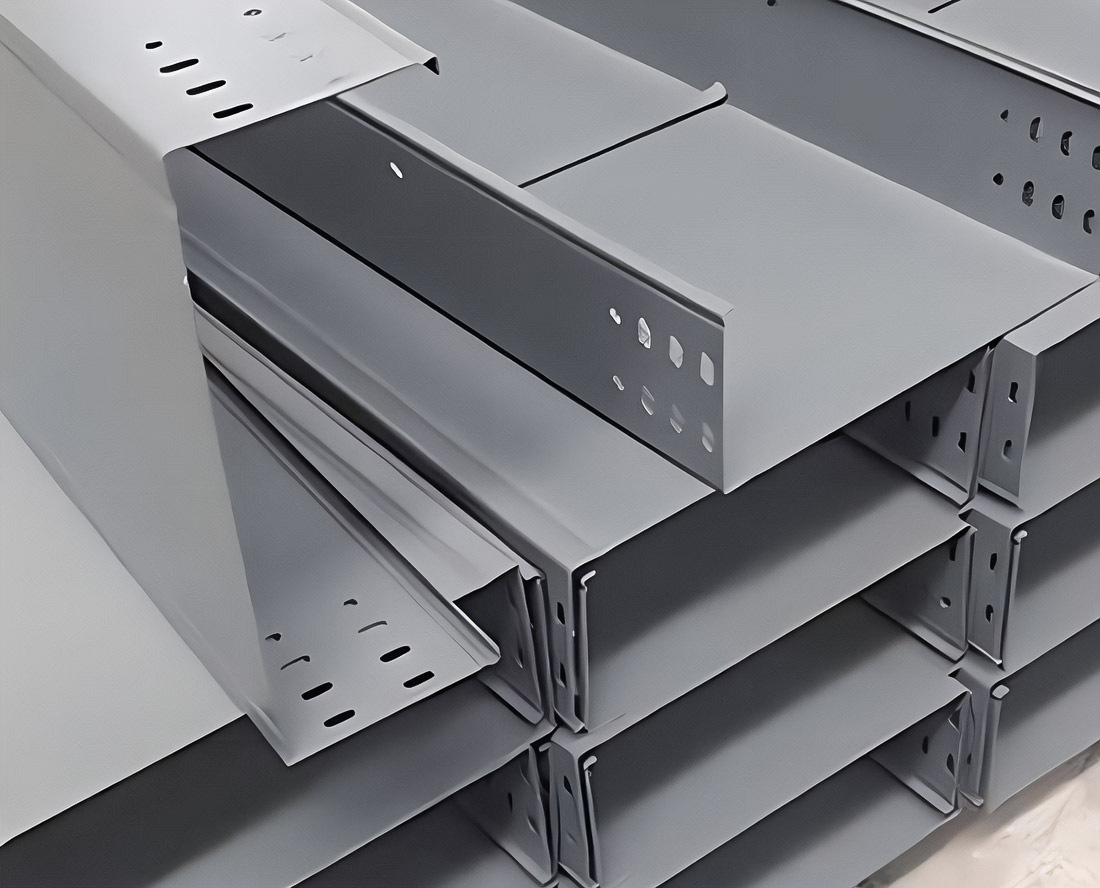
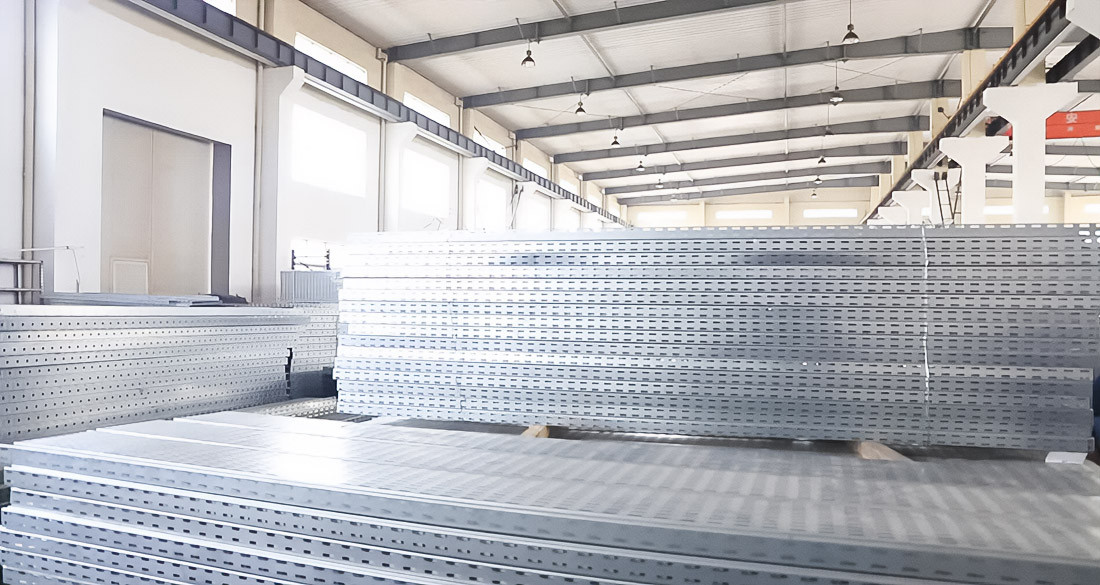
In the conditions of the UAE, the material decides. Hot-dip galvanized steel can withstand external conditions, but SS316 is used near the sea, which is not afraid of salt fog. The alternative is FRP (fiber reinforced plastic), which completely eliminates corrosion. At the same time, the tray remains light and reduces the load on the structure. For large facilities in Dubai and Abu Dhabi, engineers often coordinate directly with cable tray suppliers in the UAE to select systems that meet both environmental challenges and regulatory requirements.
Rules for Cables
The filling of the tray is a maximum of 40–50%. If there is a greater risk, the cables will overheat. The bending radius for power lines is 8–12 diameters, for optical fiber it is even softer. The selection of cables directly depends on the cooling:
- THHN is suitable for air systems, but is vulnerable to moisture.
- XHHW-2 is moisture-resistant, designed for liquid environments.
- MC protected, works in conditions of strong interference.
- Tray Cable is flexible and fireproof, convenient for overhead trails.
- SOOW/SEOOW can withstand loads in in-row and in-rack solutions.
Cat 6A STP, Cat 7 and Cat 8, as well as optical fiber are used for data transmission in areas with high EMI. The latter is especially effective in immersion cooling, as it does not conduct current and is not afraid of moisture.
Energy Efficiency and Reliability
Key indicators are PUE (Power Usage Effectiveness), CoP, ERE. Liquid cooling reduces energy consumption and improves thermal balance. N+1 or 2N schemes are used for critical objects. This ensures that if one node fails, the other will immediately pick up the load. Reliability is calculated using MTTF: the total operating time is divided by the number of failures.
Data centers in the UAE must take everything into account: the dew point, CDU, cable system materials, leakage protection, and the right choice of cables. Ladder and mesh trays help to dissipate heat. FRP and stainless steel protect against corrosion. XHHW-2 and optical fiber ensure operation in conditions of high humidity. Compliance with ASHRAE and IEC 61537, limitation of tray filling to 50%, control of bending radii all directly prolongs the service life of the systems. Even a drop of moisture in a server room can cost millions, so the design must be impeccable.

I am inspired daily by my husband and their two daughters. In my free time, I like to go hiking, crochet and play video games with my grandson.